The new review addresses certification—not every home complaint
EPA's July 2026 Certification Review document creates a process for a homeowner concern about whether a home should keep its Indoor AirPlus Version 2 or later certification. The Home Certification Organization, or HCO, that issued the certification runs the review. EPA lists two possible certification outcomes: the label is maintained or the certification is withdrawn. The document does not describe a damages award, warranty repair order, medical determination, code ruling or general home-inspection service.
Start by identifying the exact claim. Locate the certificate, permanent label if present, applicable program version, verification checklist, builder and verifier, and the HCO that issued or oversaw the certification. EPA says Version 2 has Certified and Gold tiers with different relationships to ENERGY STAR requirements. Do not assume a listing phrase such as ‘healthy home,’ an air-quality monitor or an ENERGY STAR appliance proves that the address earned Indoor AirPlus certification.
Check all five eligibility conditions before filing
EPA says the home must have been certified—or sold—as Indoor AirPlus Version 2 or later; the homeowner must first have tried to resolve the complaint with the builder; the home must have been built, purchased or certified within the last two years and still be owned by the original owner; there must have been no significant structural changes since construction; and there must be evidence of noncompliance with at least one applicable program requirement. A homeowner outside those boundaries may still have other inspection, warranty, code or legal routes, but this specific certification-review process may not fit.
Create a dated record of the builder contact and response. Name the exact checklist item or requirement believed to be unmet, then attach focused evidence such as photographs, plans, invoices, model information, test records and observations. Separate original construction conditions from later alterations, maintenance and ordinary aging. Avoid claiming that an odor, symptom, device reading or comfort problem alone proves a program failure; those observations can define the concern, but the review compares evidence with the applicable certification requirements.
Expect document collection, a focused inspection and a written report
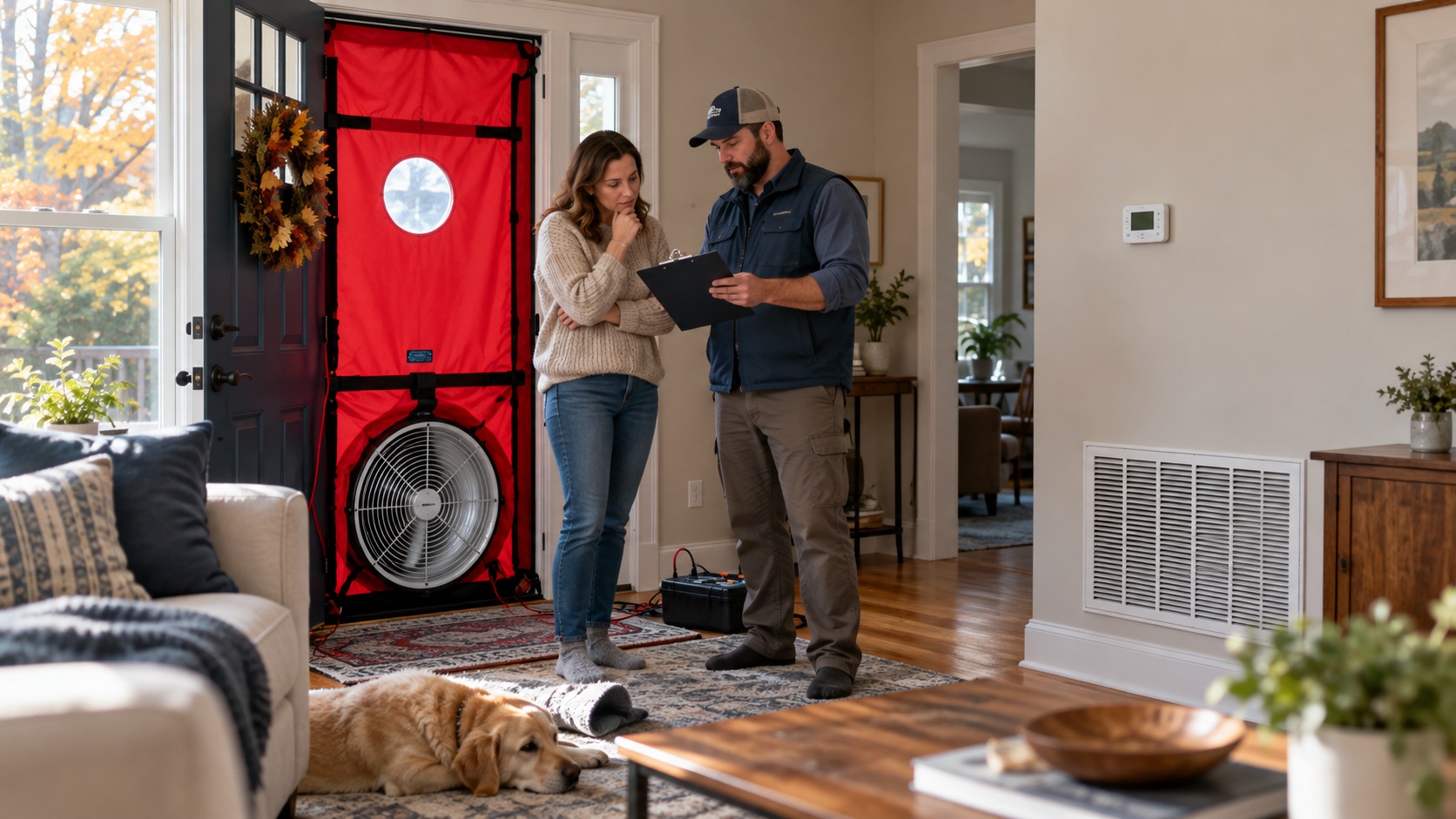
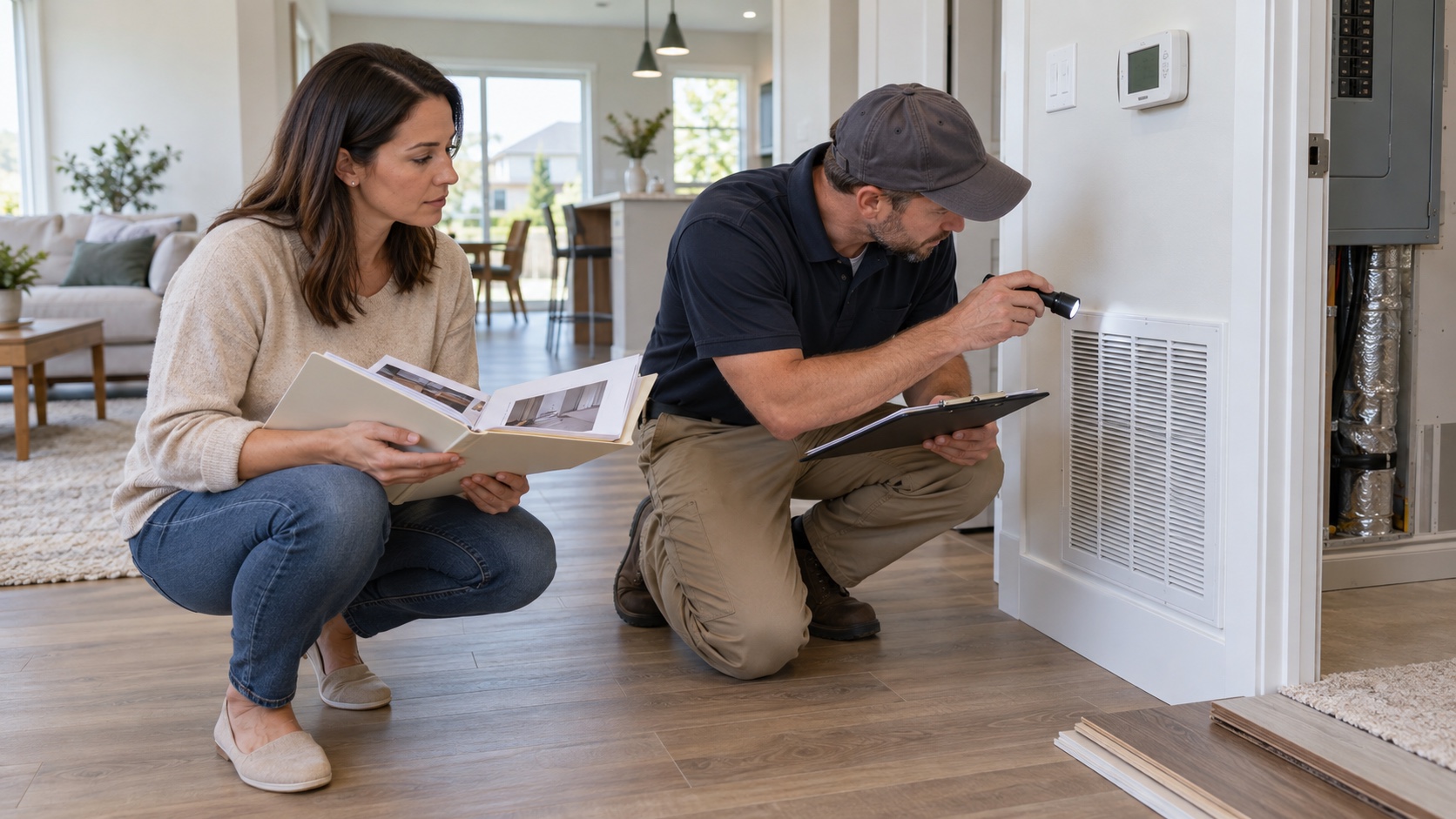
For an eligible inquiry, EPA says the HCO assigns a reviewer who should complete the review and prepare a report within 60 days. The reviewer collects required documentation and performs a home inspection focused on the Indoor AirPlus features related to the inquiry, using a new quality-control checklist. The inspection's scope is discussed with the homeowner but remains subject to the assigned reviewer's discretion. Missing a required documentation item constitutes a failure under the published process.
The final report includes the completed quality-control checklist, observations of the home's current state and a pass-or-fail determination. A failed review withdraws the certification and requires physical removal of the label. If the home passes, certification is maintained and the homeowner may appeal under the HCO's policies. EPA also says a failed ENERGY STAR certification can cause Indoor AirPlus certification to be withdrawn when ENERGY STAR certification was required for the applicable Indoor AirPlus tier; the Indoor AirPlus review itself does not necessarily re-verify every ENERGY STAR component.
Do not open walls before coordinating the evidence plan
EPA allows a homeowner to arrange destructive testing for otherwise hidden items, but places demolition and repair responsibility on the homeowner. It recommends consulting a qualified expert about non-invasive methods such as infrared imaging first. Any opening used for the Certification Review must be made in the assigned reviewer's presence; the published process says exposed areas opened outside that presence are ignored for the review. Get the HCO's written instructions, reviewer assignment and scope before authorizing invasive work.
Preserve the original home records and the review report in a property file. Use the Home Sale HVAC Report to organize installed-system models, dates and supporting documents, and Home Comfort to record observed airflow, humidity and equipment-age risks separately. Neither CoolCompare tool files an EPA complaint, authenticates a certification, diagnoses indoor-air exposure or replaces advice from the HCO, a qualified building professional, health professional or attorney where those are needed.
Sources and further reading
Questions or corrections? Contact the editorial team.