Three different problems can feel like one weak furnace
A cold room does not identify a failing furnace. Heat may be escaping through attic and basement openings, failing to reach the room through a leaky or restricted duct, or not being supplied correctly by the equipment. More than one problem can coexist. ENERGY STAR describes duct leakage and poor airflow as comfort and energy problems and recommends evaluating ducts and actual home characteristics during HVAC installation—not sizing solely by a rule of thumb.
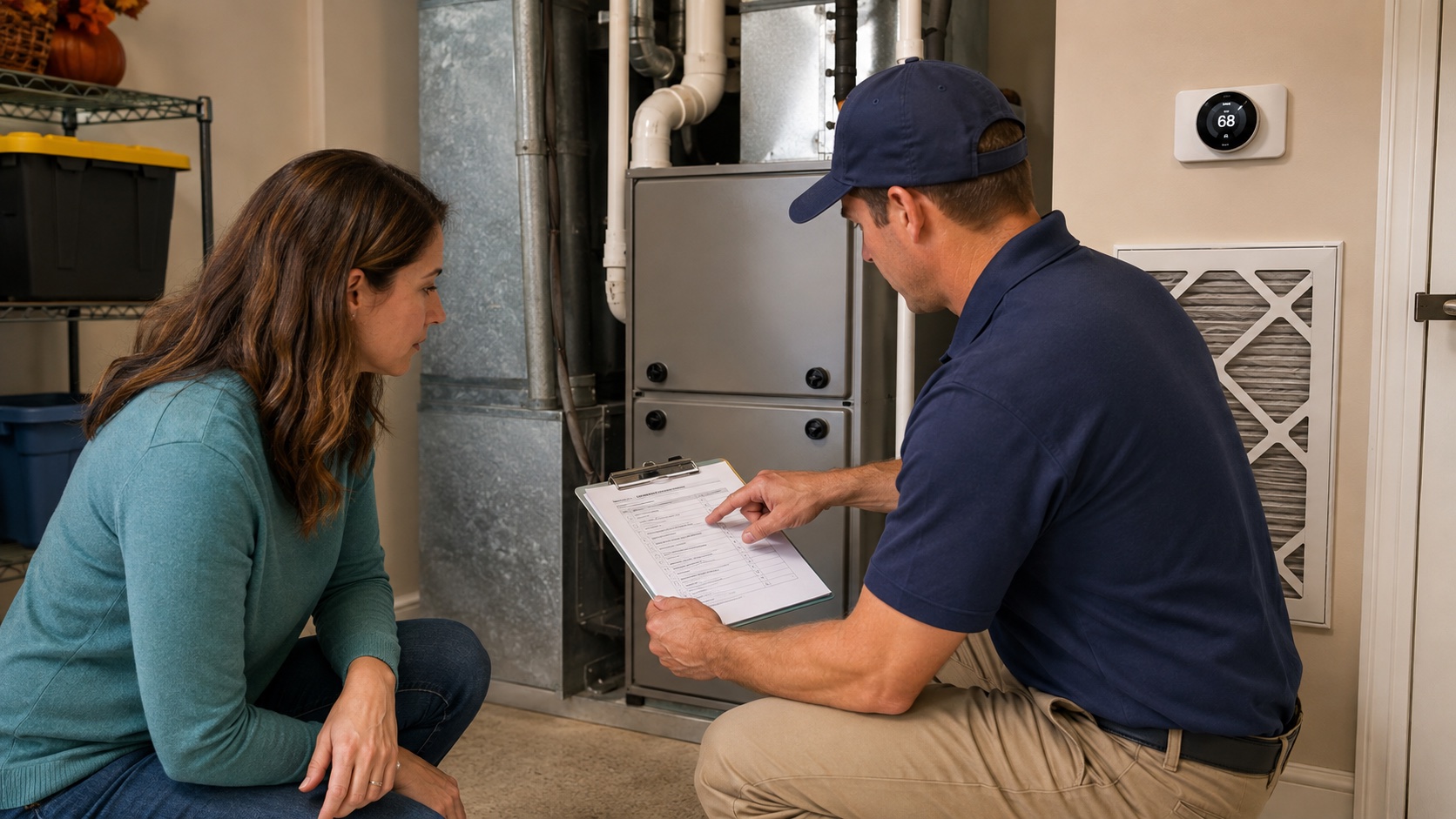
Make a one-page room map before asking for a replacement quote. Record which rooms are cold, whether they change with the thermostat schedule, whether doors are usually open or closed, where supply and return grilles are, and whether the ducts run through an attic or crawlspace. Record the existing model, service history and a representative same-season bill. These are observations, not a diagnosis or proof of a particular savings percentage.
Check the building envelope before changing capacity
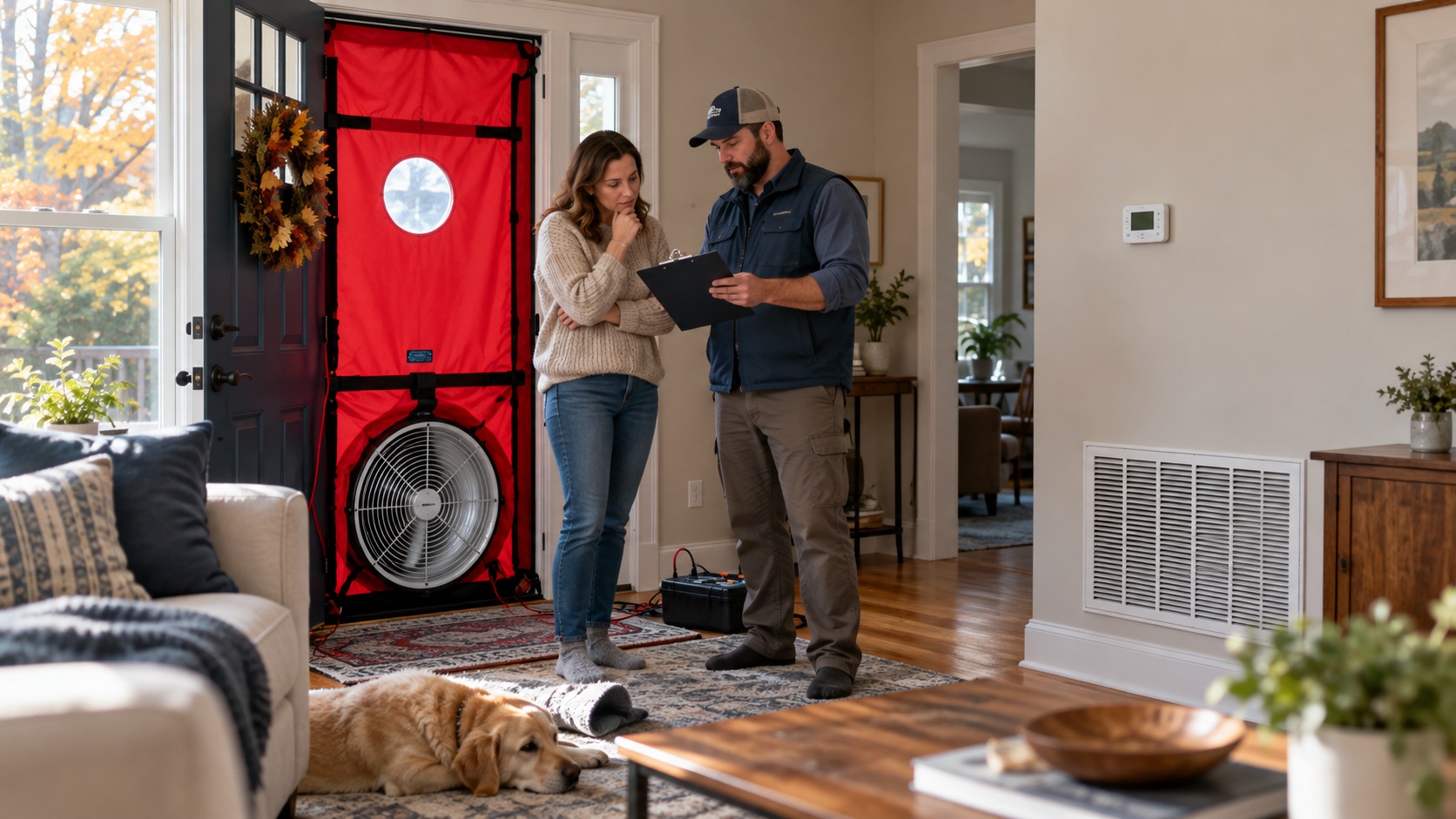
ENERGY STAR's project-priority guidance places attic air sealing before adding attic insulation; the basement or crawlspace and ducts are separate opportunities. An assessor can document accessible leakage paths, insulation condition and whether a blower-door or other diagnostic test is appropriate. Ask for the actual findings and the scope that would correct them, not an estimated percentage of savings copied from a national program average.
A draft near a window does not prove that new windows are the best first purchase. Compare the attic hatch, penetrations, rim joists and accessible weatherstripping, while respecting ventilation and local requirements. ENERGY STAR warns that wet or moldy attic materials, unsafe wiring and other hazards need professional attention before ordinary air-sealing work. Do not disturb suspect insulation or seal a combustion-air opening based on a generic checklist.
Ask for duct and airflow evidence in a separate column
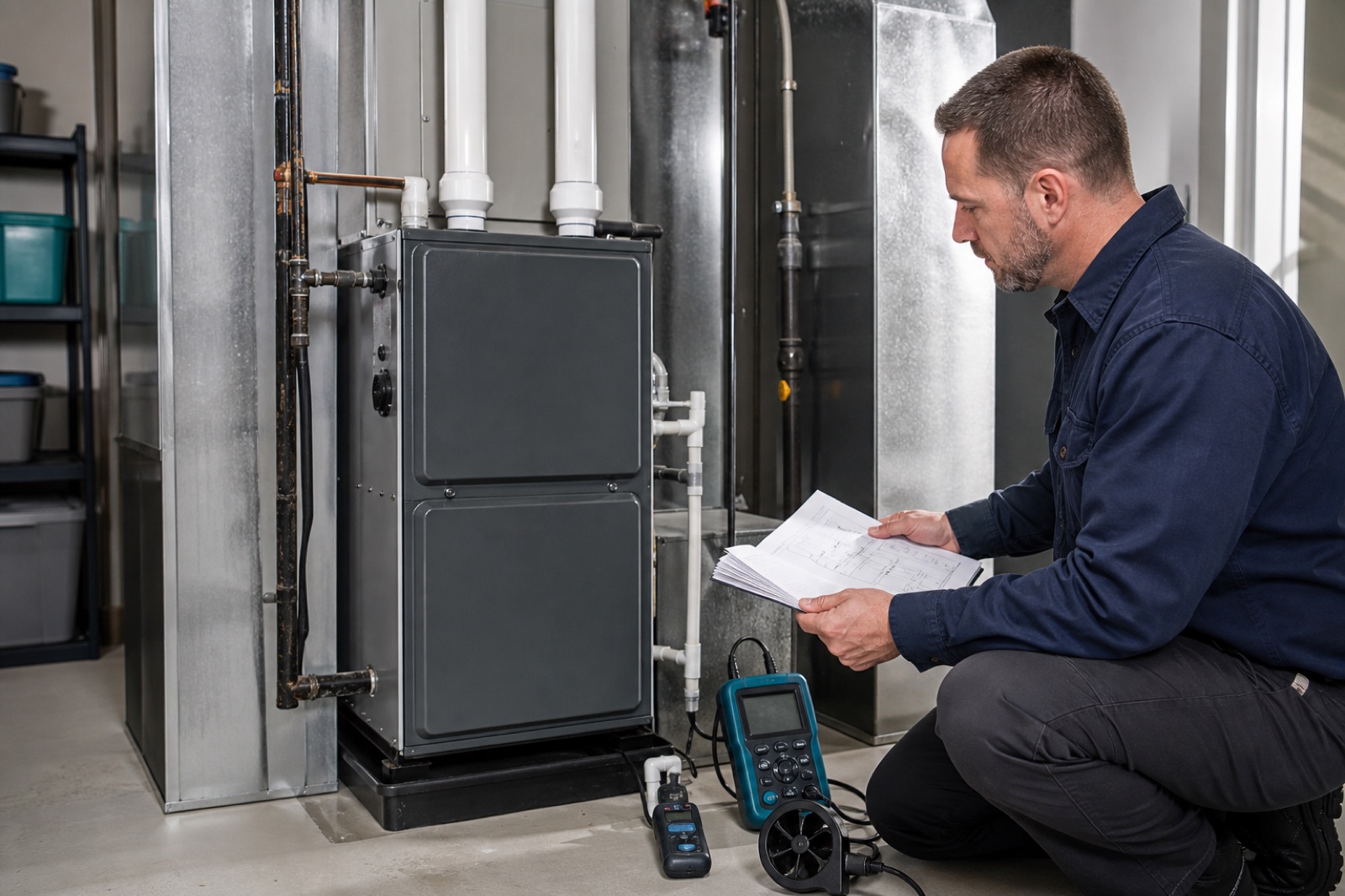
ENERGY STAR says a typical forced-air house can lose about 20%–30% of air moving through ducts to leaks, holes and poorly connected sections. That is a broad characterization, not a measurement of this home. A contractor should identify duct location and condition, inspect accessible connections, test leakage if appropriate, and document the actual airflow and equipment specifications. Ask whether return-air paths and room pressure change when doors close.
Keep duct leakage, insufficient airflow, disconnected sections, undersized distribution and equipment output as distinct findings. A sealing quote should identify the affected runs, material, access, insulation, verification method and limitations. Adding a higher-capacity furnace to an unresolved distribution problem can leave the same cold room; conversely, fixing a duct does not prove the old equipment is reliable. Avoid climbing into unsafe attics or opening mechanical/electrical panels to investigate.
Turn findings into a fair comparison—not a replacement presumption
Put the written options side by side: envelope or duct repair alone, equipment service or repair, and complete replacement if justified. For every path, list the measured problem, work included, excluded work, permit or inspection requirements, commissioning proof, cash price and financed total. If replacement remains on the table, require load assumptions based on the home's actual characteristics after planned envelope changes, exact matched equipment where relevant and documented airflow. A professional load calculation is not replaced by square footage alone.
Compare expected comfort and reliability first, then user-controlled five- and ten-year cost scenarios. Utility rates, weather, workmanship and future failure are uncertain, so a forecast or generic percentage cannot certify savings. Use the Energy Waste Score to organize potential priorities and Decision Room to compare your own written costs and assumptions; neither diagnoses the home. Save the assessor's findings, contractor measurements and final project records so the eventual choice remains explainable.
Sources and further reading
Questions or corrections? Contact the editorial team.