Do not size from the old nameplate alone
The existing furnace input rating is not proof of the home’s current heating load. Insulation, windows, additions, air leakage and previous oversizing can all change the appropriate selection. Ask for a documented load calculation and the proposed unit’s output capacity, not only its fuel input.
AFUE is a seasonal fuel-utilization metric under standardized conditions; it does not describe duct losses, local fuel price, electrical consumption or installation quality. Compare single-stage, staged and modulating operation in the context of the home, controls and airflow rather than assuming the highest AFUE is always the best project.
Make venting and condensate explicit
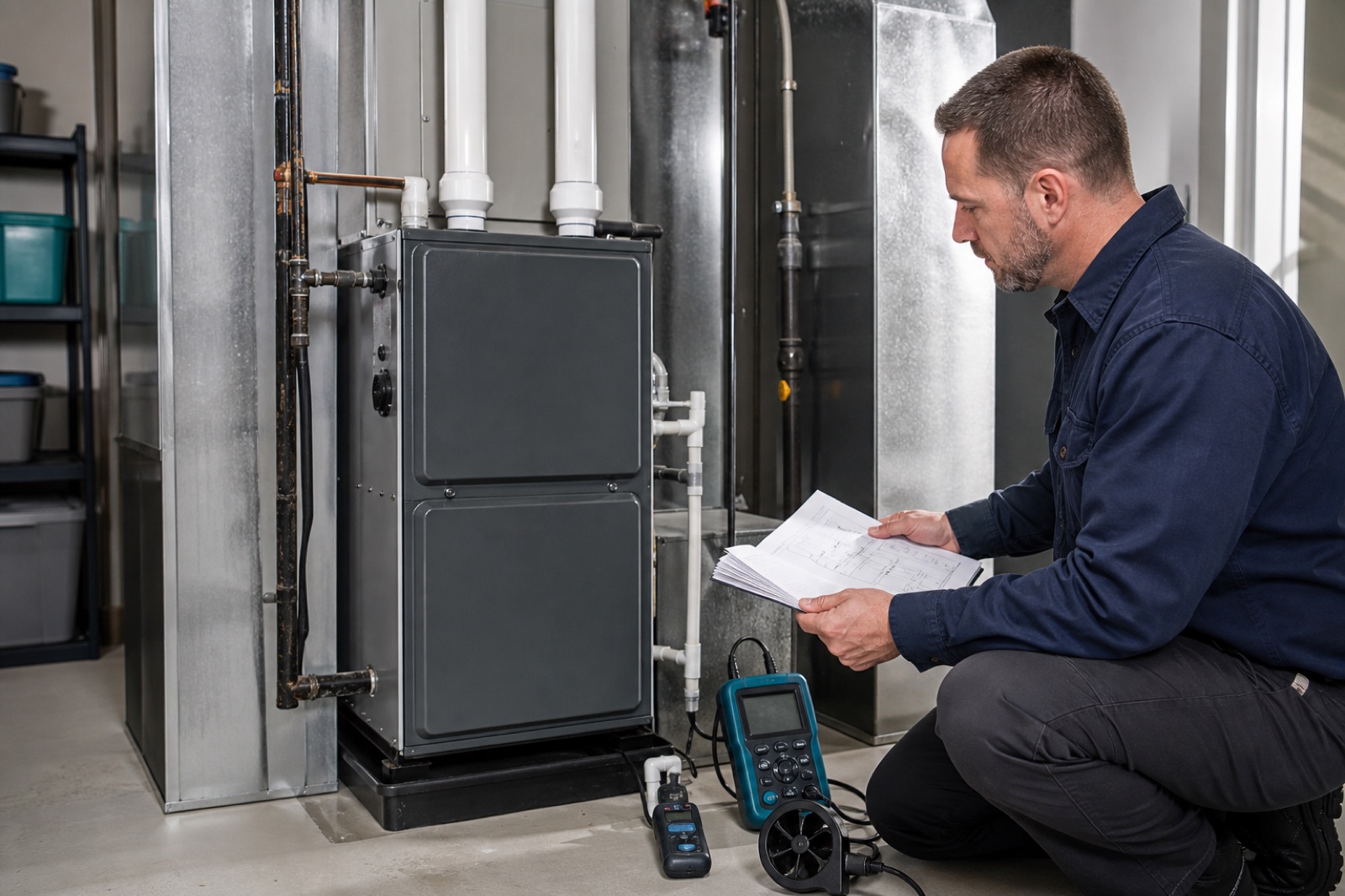
A replacement can change vent category, flue materials, chimney use, combustion-air needs and condensate disposal. The proposal should identify what is reused, removed, lined or replaced and how any water heater sharing an existing chimney is affected when the furnace configuration changes.
High-efficiency condensing equipment requires appropriate drain routing, freeze protection where relevant and materials compatible with the manufacturer instructions. Fuel piping, shutoffs, electrical circuits, filter cabinets, return-air paths, platforms and clearances should be written into the installed scope.
Close out a safe complete project
Confirm the permit and inspection path with the local authority. Startup documentation should cover manufacturer procedures, temperature rise, airflow, gas input or pressure where applicable, venting and combustion checks, safety controls, thermostat stages and carbon-monoxide alarm considerations without encouraging homeowner combustion work.
Keep product registration, parts coverage, heat-exchanger terms and contractor labor warranty separate. Record exact model and serial numbers, final invoice, permit, commissioning results and maintenance requirements so a future technician can distinguish the installed facts from sales language.
Compare the complete operating path
Estimate ownership cost with the household's actual fuel and electricity rates, not only AFUE. The blower, ducts, filter pressure, thermostat strategy and indoor target all affect operation. Use weather-normalized or same-period bills when evaluating a replacement claim, and treat projected savings as a range rather than a guaranteed monthly reduction.
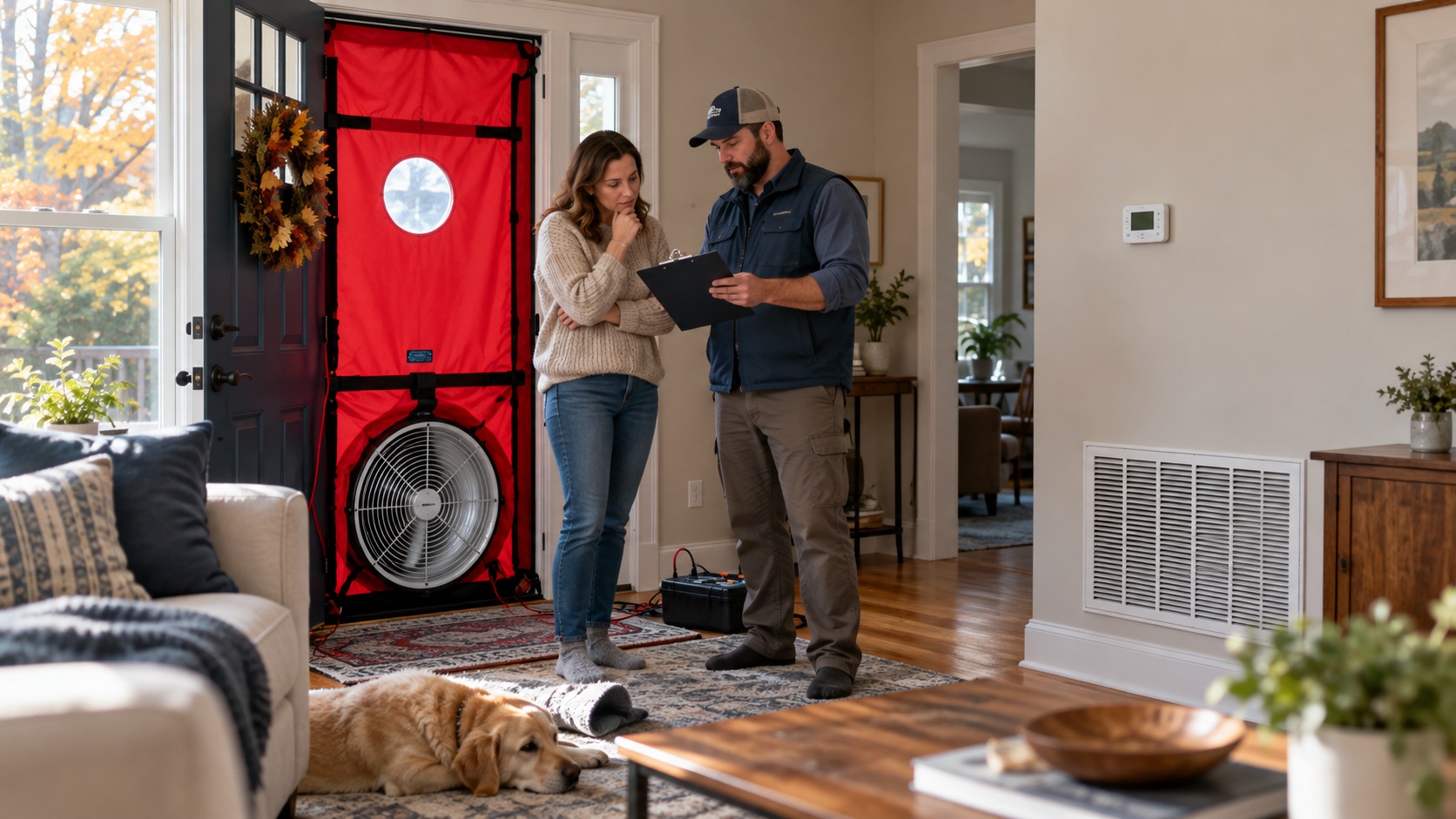
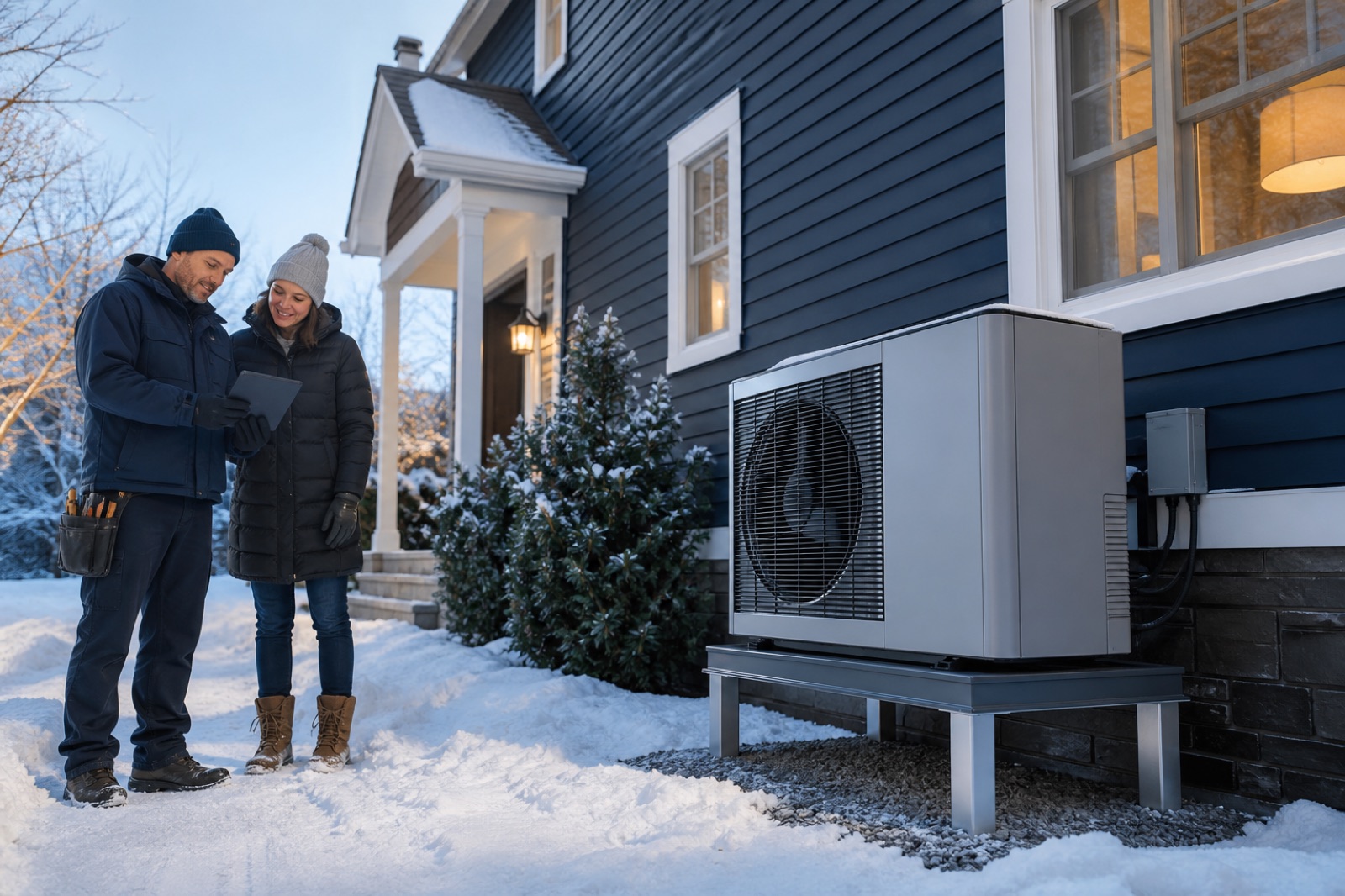
If air sealing, a heat pump or water-heater change is planned, compare the order of work before locking in the furnace size or venting plan. Combustion appliances can interact with building pressure and shared chimneys. These questions belong with qualified contractors and the local authority, not a homeowner do-it-yourself combustion adjustment.
How this guide was produced
CoolCompare Editorial reviewed 3 linked evidence sources and separated source facts from homeowner checks, calculations and limitations. This page does not claim hands-on product testing, professional inspection or address-specific verification unless the article explicitly documents it.
Reviewed 19 August 2026. See the editorial policy, fact-checking standard and corrections process.
Sources and further reading
Questions or corrections? Contact the editorial team.