Use output at the temperatures that matter
A seasonal efficiency rating does not show how much heat a specific system can deliver during the local design cold. Compare manufacturer heating-capacity data at multiple outdoor temperatures with the documented building load, and keep the exact indoor and outdoor model pairing visible throughout the proposal.
Ask whether the selected system is intended to carry the full design load or operate as part of a dual-fuel or supplemental-heat strategy. A broad claim that heat pumps work in cold climates does not replace model-specific performance, home-specific load calculations and a plan for unusual weather.
Document backup heat and controls
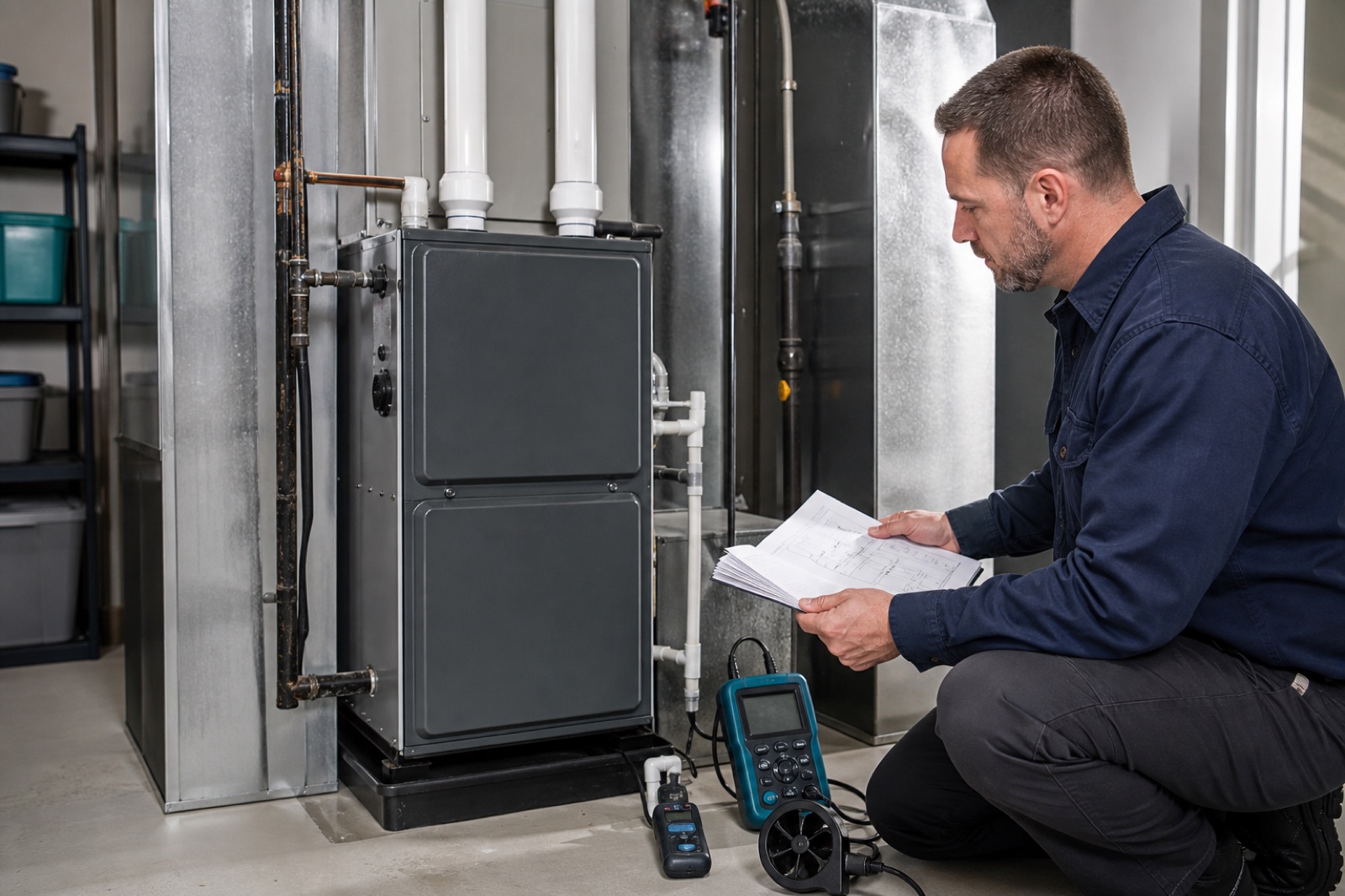
Electric resistance backup can raise peak electrical demand and operating cost. A furnace in a dual-fuel arrangement introduces fuel, venting and changeover questions. The quote should state the backup equipment, staging or lockout settings, thermostat logic and who commissions those settings.
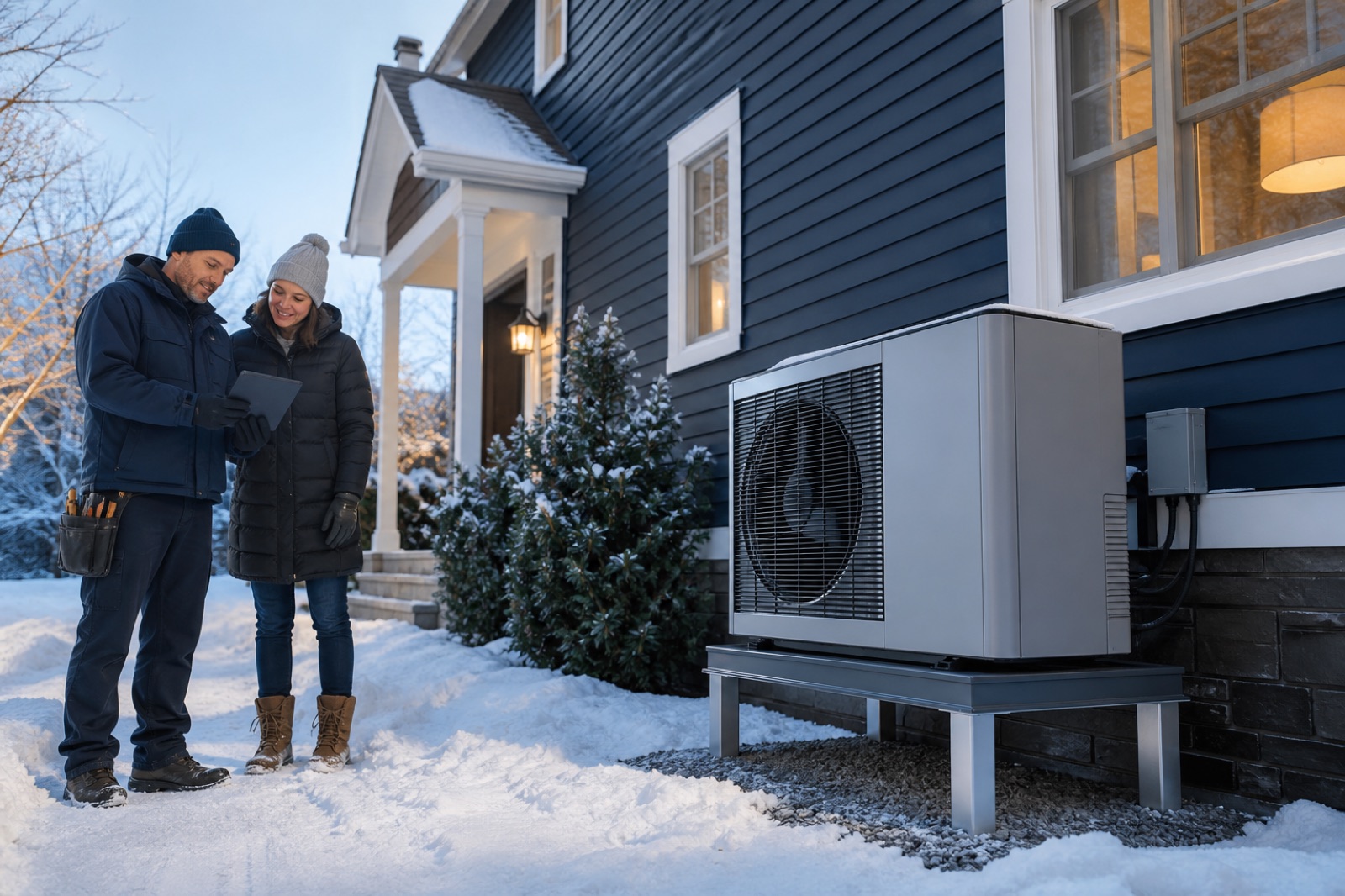
Discuss defrost operation, outdoor-unit snow and ice clearance, condensate or meltwater management and protection from roof runoff. Indoor comfort also depends on airflow, supply-air temperature expectations, filter condition and whether existing ducts can handle the proposed operating ranges.
Model cost without promising savings
Compare expected electricity use with the actual rate structure and the fuel displaced, using the same weather and indoor-temperature assumptions. Separate equipment and installation cost, electrical upgrades, backup heat, maintenance, financing and only verified incentives; do not use a state average as the household tariff.
Keep an emergency plan for outages or equipment failure that reflects household vulnerability and local conditions. After installation, retain the load calculation, matched-system record, control settings, startup measurements, manuals and warranty documents in the Project Passport for future service.
Compare the design-day and outage plan
Ask the proposal to state the building load and the selected system's published output near the local winter design temperature. Record the intended balance point, backup capacity, staging and any control lockouts. That makes an expected shortfall visible instead of hiding it behind a seasonal rating or an undefined claim of cold-climate performance.
Plan separately for a power outage because most heat pumps, furnaces, thermostats and circulation equipment require electricity. Do not assume a portable generator can serve HVAC equipment; connection, starting load, fuel and carbon-monoxide safety require qualified planning. Households with medically vulnerable occupants need a location-specific emergency plan beyond equipment selection.
How this guide was produced
CoolCompare Editorial reviewed 3 linked evidence sources and separated source facts from homeowner checks, calculations and limitations. This page does not claim hands-on product testing, professional inspection or address-specific verification unless the article explicitly documents it.
Reviewed 19 August 2026. See the editorial policy, fact-checking standard and corrections process.
Sources and further reading
Questions or corrections? Contact the editorial team.