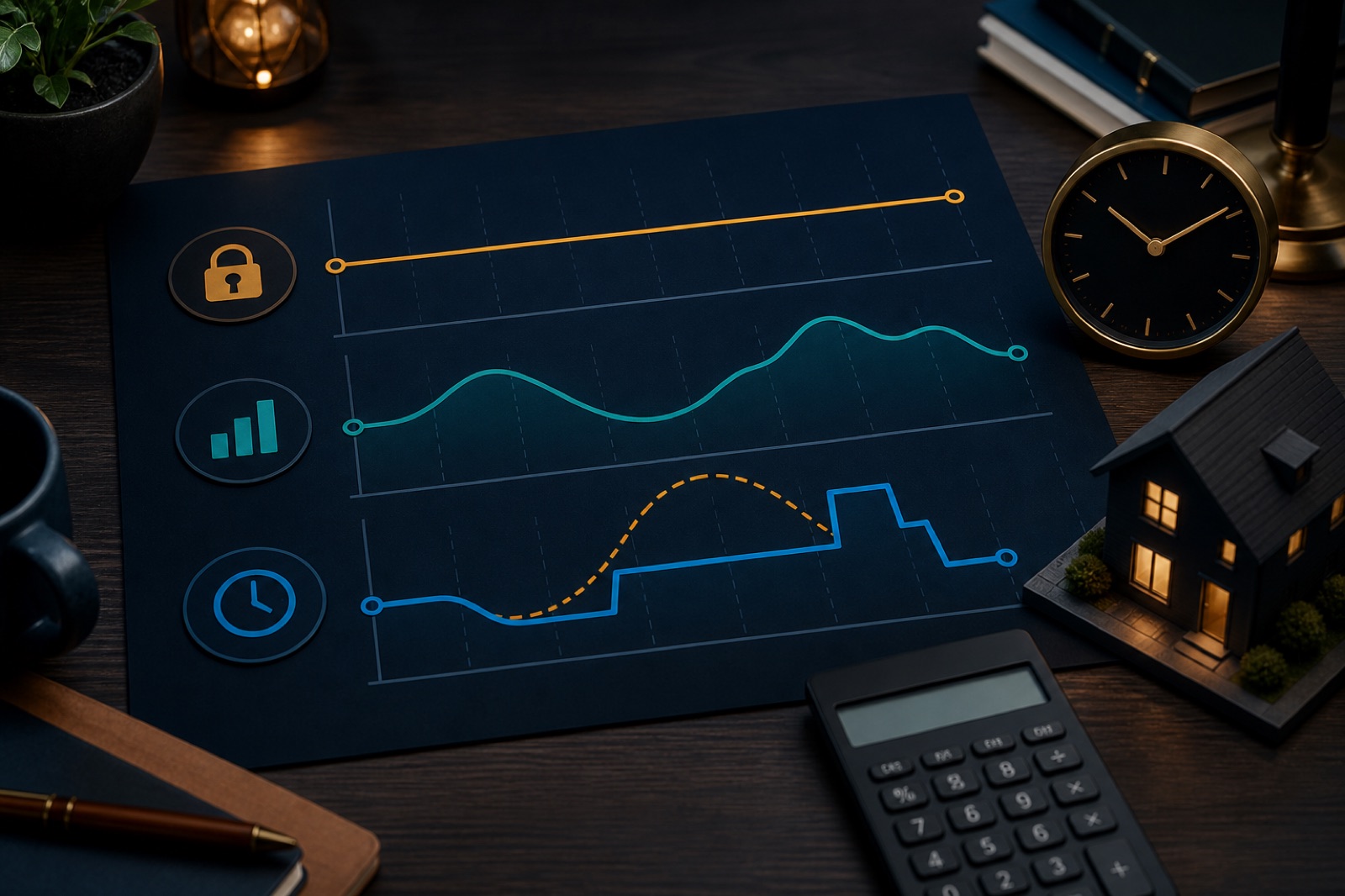
Separate power from energy
Kilowatts describe power at a moment; kilowatt-hours describe energy used over time. A 1-kilowatt load operating for one hour uses 1 kWh. Start with the meter-read dates and total kWh, then compare the billing period length so a 35-day bill is not treated like a 28-day bill.
Mark whether the reading is actual or estimated and whether the bill includes a prior balance, deposit, credit or late fee. Those items affect the amount due but do not describe the current month’s electricity use.
Reconstruct the effective price
List supply or generation charges, transmission and distribution charges, fixed customer fees, riders, taxes and credits. Divide only the relevant current-service total by current kWh to create a household-specific effective cents-per-kWh figure, and preserve fixed fees separately when comparing scenarios.
EIA state averages are useful benchmarks, but EIA explicitly distinguishes average retail prices from the rates applied to individual services. Do not use a state average as if it were the tariff on your bill.
Explain the change before blaming the rate
Compare both kWh and effective price with the same month last year. Weather, billing days, occupancy, heating and cooling, an EV, a pool, an estimated read, a rate change or a new fixed charge can move the total for different reasons.
For time-of-use service, separate consumption by period and note the actual on-peak schedule. Use interval data from the utility portal when available; a single monthly total cannot show whether shifting load would save money.
Sources and further reading
Questions or corrections? Contact the editorial team.