A component repair is not automatically a new system
EPA's August 5, 2026 FAQ says an existing R-410A air conditioner or heat pump can be repaired throughout its useful life. A contractor may replace a faulty component, including an outdoor condensing unit or an indoor evaporator coil, with a similar R-410A service component. The rule does not force a homeowner to discard an otherwise repairable system solely because it uses R-410A.
The boundary changes when the work is a whole new residential split system. For systems installed after January 1, 2026, EPA requires a refrigerant with a global-warming-potential limit below 700. The important homeowner question is therefore not simply whether a box is being changed, but whether the proposal is a limited service repair or replaces the pair that constitutes a new split system.
The condenser-plus-indoor-coil test controls
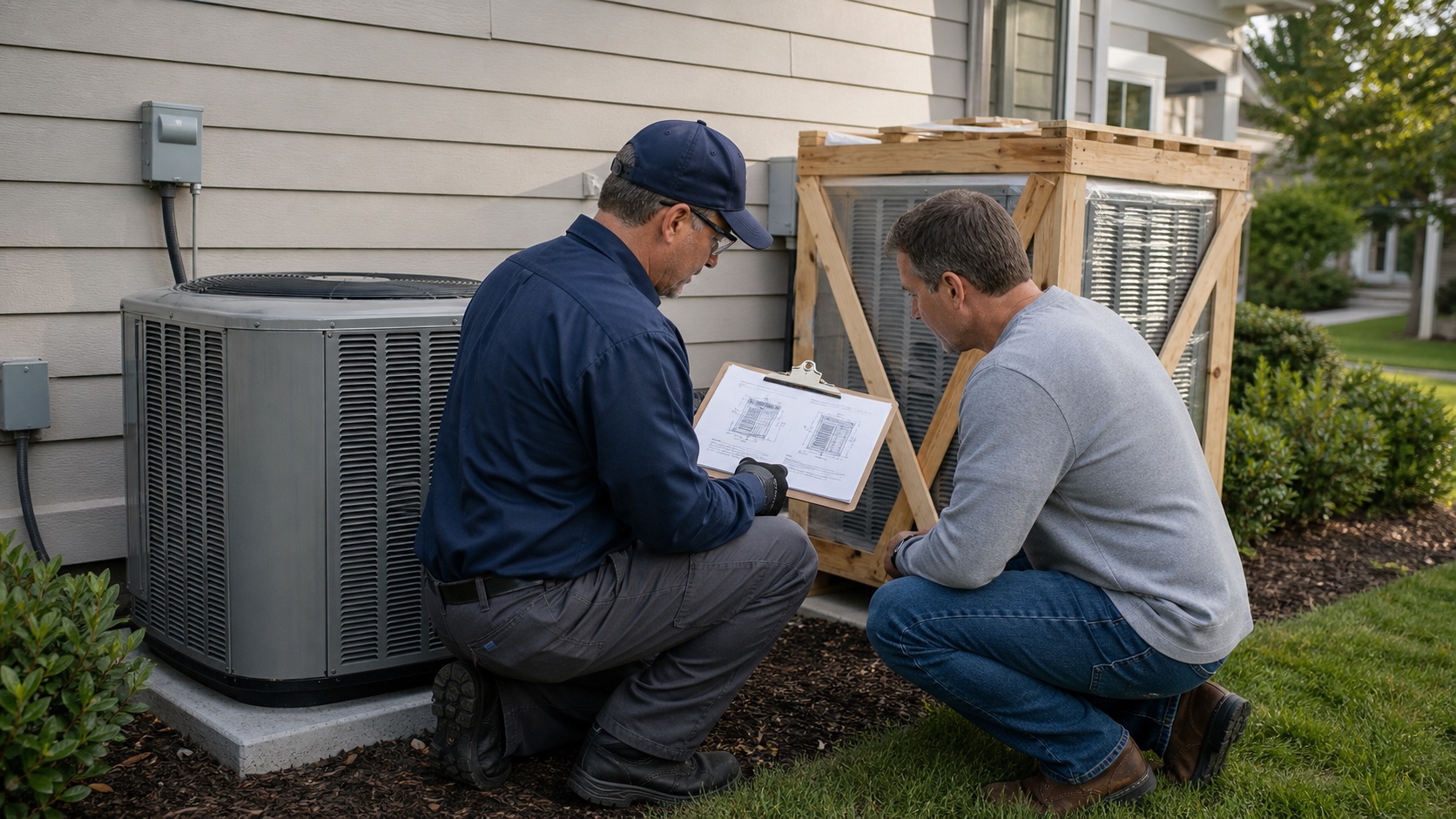
EPA states that replacing both the outdoor condensing unit and the indoor evaporator coil together counts as installing a new system. Keeping the old refrigerant line set does not turn that two-component replacement into a repair. A proposal that calls the project a line-set reuse or partial changeout should still identify exactly which indoor and outdoor components are being replaced.
Repairs may occur at different times during a system's life, but regulatory permission is not a promise that every combination is technically sound or economical. Ask for both existing and proposed model numbers, manufacturer compatibility evidence, capacity and efficiency implications, component availability and the total expected maintenance cost. If the contractor presents a matched-system claim, require the matching record for the exact equipment rather than relying on a family name.
Put five facts in the written proposal
Require the proposal to state: (1) the existing indoor and outdoor model numbers and refrigerant; (2) every component being replaced; (3) whether both the condenser and indoor coil are included; (4) the exact proposed models, refrigerant and matched-system evidence; and (5) refrigerant recovery, leak testing, evacuation, charging and commissioning responsibilities. Also identify permits, electrical work, warranty and any exclusions so repair and replacement bids use the same scope.
Lower-GWP refrigerants such as R-32 or R-454B are not drop-in substitutes for equipment that was not designed for them. EPA also warns against unapproved flammable substitutes, including products marketed as R-22a. Refrigerant service must be performed by an appropriately certified Section 608 technician. CoolCompare can normalize the written scope, but the homeowner must separately verify the contractor, permit path, manufacturer instructions and current local requirements.
How this guide was produced
CoolCompare Editorial reviewed 3 linked evidence sources and separated source facts from homeowner checks, calculations and limitations. This page does not claim hands-on product testing, professional inspection or address-specific verification unless the article explicitly documents it.
Reviewed 31 August 2026. See the editorial policy, fact-checking standard and corrections process.
Sources and further reading
Questions or corrections? Contact the editorial team.