Start with the source, not the appliance
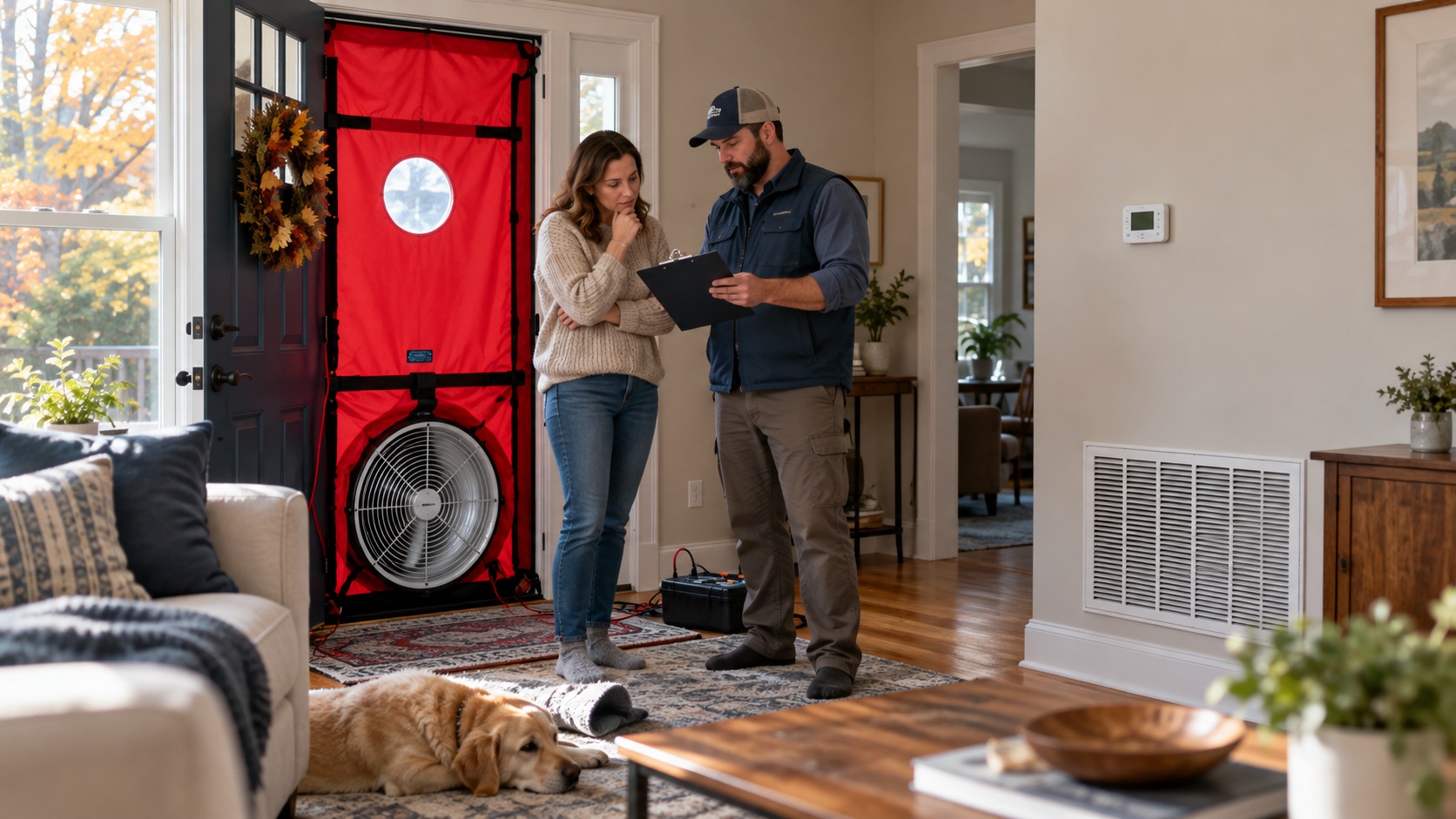
EPA's home indoor-air page, updated August 17, 2026, identifies indoor sources that release gases or particles, inadequate ventilation, and high temperature or humidity as conditions that can raise pollutant concentrations. Begin by naming the actual concern: cooking particles, outdoor smoke, pollen, dust, moisture and mold, radon, carbon monoxide, or gases from products and materials require different responses.
EPA describes source reduction or removal and ventilation with clean outdoor air as the most effective first steps, with filtration as a supplement. A portable unit cannot repair a leak, remove a mold source, test for radon, make combustion safe or replace working smoke and carbon-monoxide alarms. Ventilation also needs judgment: opening windows is not the right move when outdoor smoke, pollen or extreme heat makes outdoor air unsuitable.
Match particle clean-air delivery to one real room
For particles, measure the room's length and width and account for open connections and ceilings above eight feet. EPA's guide says clean-air delivery rate, or CADR, is a particle-filtration measure: a higher CADR serves a larger area or filters it faster. Smoke CADR is the useful published comparison for the smallest of the three commonly rated particle groups. CADR does not rate gas removal, so do not treat a thin carbon sheet or an odor claim as equivalent evidence.
Compare performance at a speed the household can actually tolerate. EPA notes that higher speed and longer operation filter more air; a maximum-speed number is less useful if noise forces the unit off. Keep inlets and outlets clear and place the unit in the occupied room it is intended to serve. ENERGY STAR identifies electrical efficiency, not a guaranteed health result or proof that a particular model cleans every pollutant.
Price the filter, electricity and 30-day operating plan
Put the purchase price, exact replacement-filter price, expected replacement interval and electricity use in one ownership-cost row. ENERGY STAR reports that continuous operation can make room air cleaners a meaningful household load, so compare certified energy performance together with CADR. Confirm that the correct filter remains available; every filter needs replacement, and a dirty overloaded filter will not perform well.
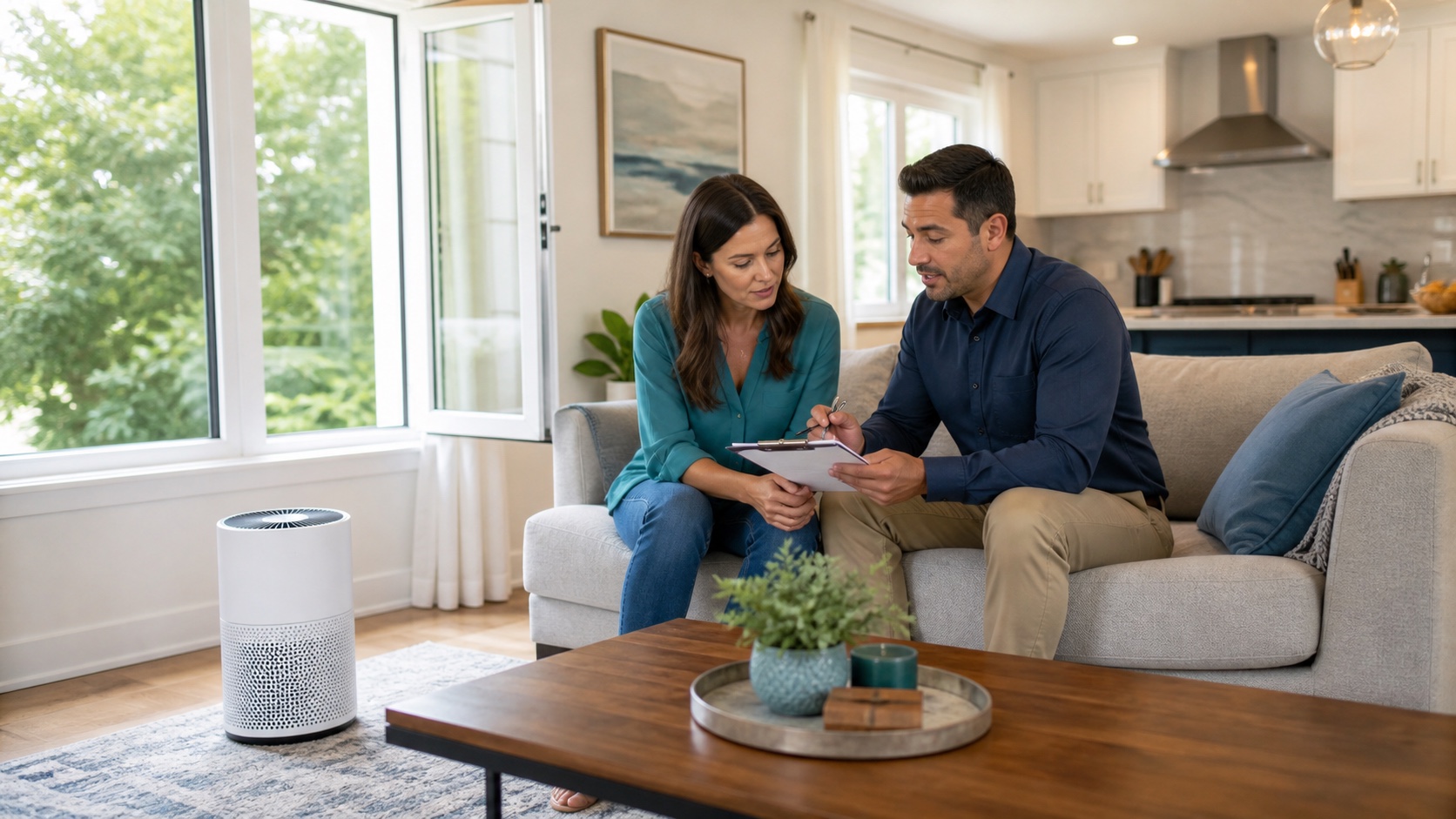
Write a simple 30-day plan before buying: record the pollutant or event you are responding to, the room dimensions, the chosen CADR, placement, normal fan speed and filter check date. If moisture or mold is the concern, correct the water source. Avoid devices that intentionally produce ozone; EPA calls ozone a lung irritant and does not certify or recommend particular brands. This guide supports product comparison, not diagnosis or a promise of a medical outcome.
Sources and further reading
Questions or corrections? Contact the editorial team.