The federal notice changes program design—not your eligibility by itself
DOE Program Notice 26-2 applies to state and territory grantees operating the High-Efficiency Electric Home Rebate program, or HEEHR. It says launched programs must make the changes within three months unless DOE approves extra time, while programs that have not launched must align before launch. An existing approved reservation under the previous guidance may still be executed, but the notice says new reservations cannot be approved for projects that do not fit the new strategy.
This does not mean every state has the same live offer today. DOE says Home Energy Rebates are available only in select states and directs households to the relevant state or territory energy office for current status and eligibility. Treat the federal notice as a program-policy source, then verify the administrator, funding status, effective date, participating contractor rules and reservation process for the address before purchasing equipment.
A fuel-switching assumption can now fail the first eligibility check
The notice removes the general program allowance for replacing non-electric appliances through fuel switching and instead describes upgrades from existing electric HVAC or appliances to more efficient electric equipment. New-construction HVAC and electric appliances remain allowable under the notice. DOE also says it may consider additional statutory measures if a grantee has funding left after fully implementing the new program design.
A quote that simply labels any gas-furnace-to-heat-pump project ‘rebate eligible’ is therefore incomplete. Ask the program administrator whether the exact existing equipment, proposed heat pump, household and property meet the currently effective state rules. Keep a screenshot or dated program document with the proposal. Do not count a possible rebate as cash available at closing until the required reservation or approval is documented.
Envelope work may need to come before the heating and cooling upgrade
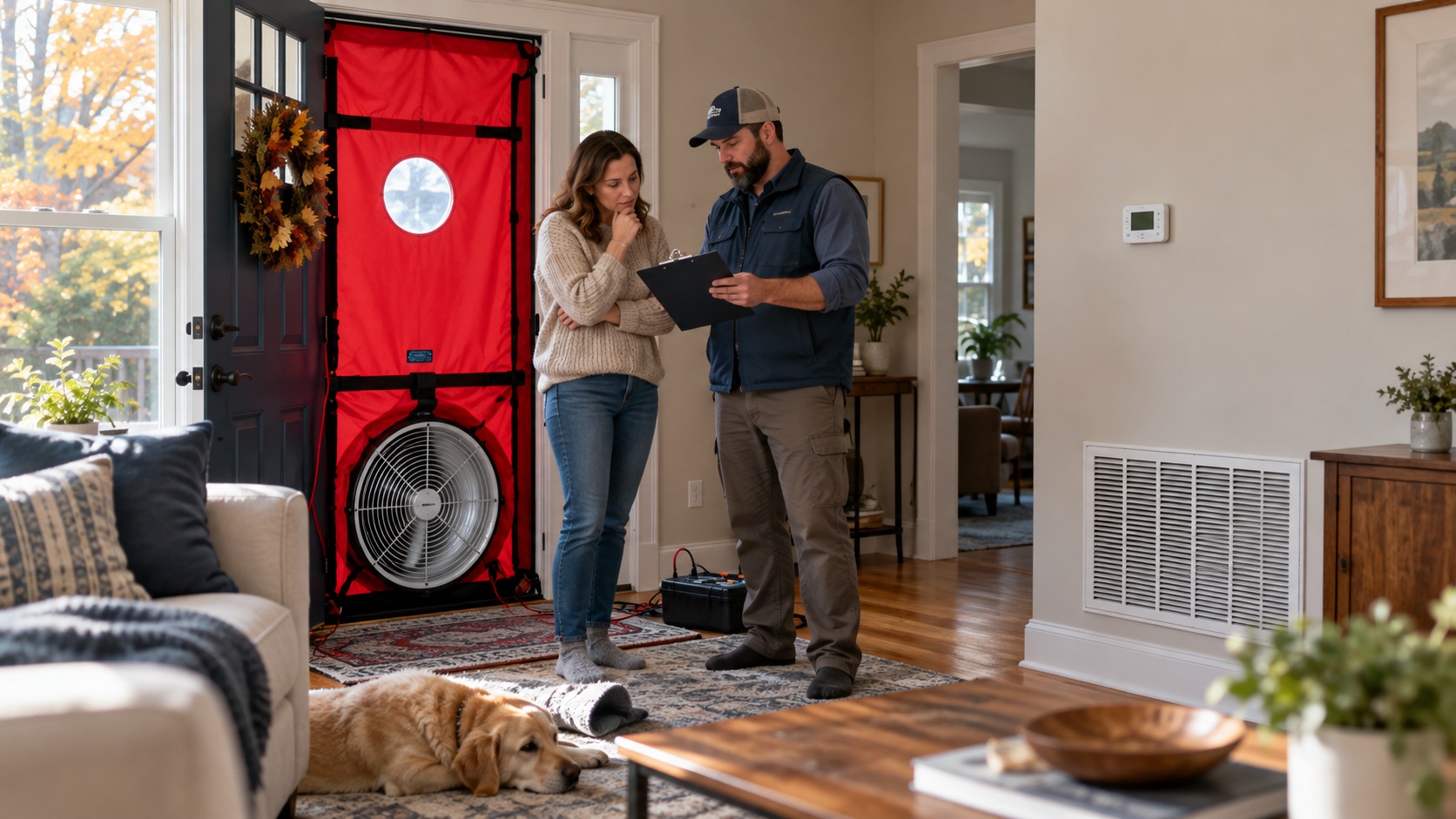
Program Notice 26-2 requires homes to use rebates for insulation and air sealing before heating and cooling upgrades unless the home is already appropriately insulated and sealed to a DOE-approved, state-specified level. The state or territory still determines how that level is documented. A generic statement that a house is ‘well insulated’ is not the same as program acceptance.
Ask what inspection, assessment or existing documentation the administrator accepts; which envelope measures must be completed first; whether ventilation or moisture work is part of the approved scope; and how completion is verified. Put the envelope price, HVAC price, rebate allocation and homeowner remainder on separate lines. If insulation or air sealing changes the building load, require the HVAC sizing assumptions to be revisited before final equipment selection.
Retaining fossil equipment is allowed, but the proposal still needs a complete operating plan
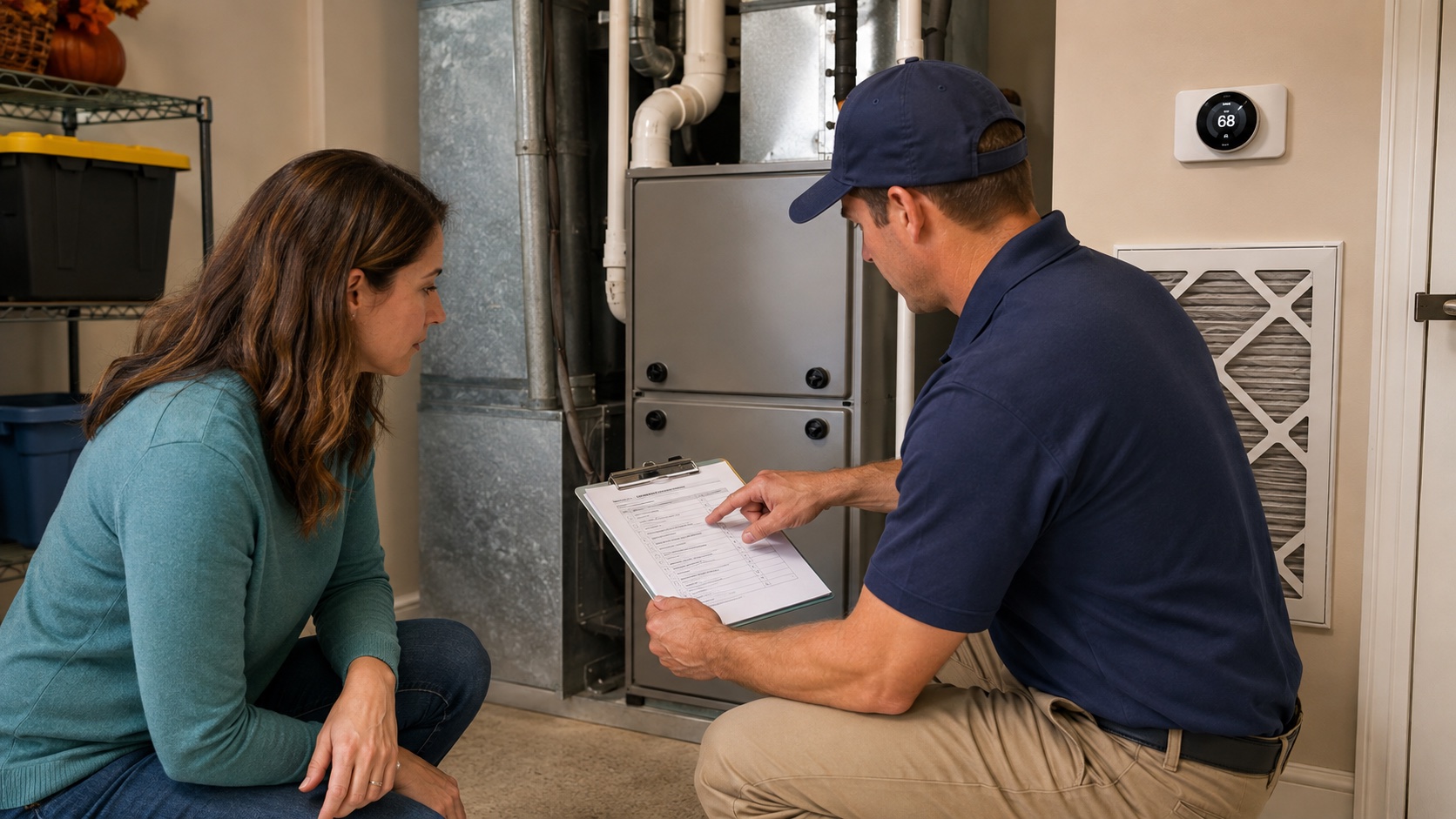
The notice allows a dwelling to retain an existing fossil-fuel HVAC system when installing a heat pump, even if the heat pump will not become the primary heating and cooling source. That permission does not establish that a particular dual-system design is safe, efficient, permitted or eligible in a specific state program. It also does not calculate energy savings or operating cost for the household.
Require the written proposal to identify which system operates at which conditions, thermostat and control logic, electrical work, load and low-temperature capacity assumptions, ducts, fuel venting and combustion-safety boundaries, permits, commissioning, warranty, cash price and financed total. Verify whether each cost is eligible before work starts and request final documentation of the rebate actually applied. The IRS states that the separate residential 25C and 25D credits ended for qualifying post-2025 projects, so do not add an expired federal tax credit to a 2026 rebate estimate. CoolCompare's incentive engine and Decision Room organize current sources and user-entered costs; neither reserves funding nor determines eligibility.
Sources and further reading
Questions or corrections? Contact the editorial team.