Treat the ground loop as part of the system
A geothermal heat pump transfers heat between the home and the ground or groundwater. ENERGY STAR defines the complete system as the indoor equipment, ground-side heat exchanger, distribution, controls and—where used—storage. That means an equipment model and efficiency rating cannot describe the whole installed project.
Ask each bidder to identify the proposed loop as closed or open and horizontal, vertical, pond/lake or another documented configuration. The quote should state who is responsible for drilling or excavation, loop design, header and circulation components, antifreeze or water treatment where applicable, pressure testing, trench or bore closure and restoration. Site geology, available land, groundwater rules and access can change the design, so a generic allowance should be labeled as such rather than presented as a final scope.
Normalize 12 scope items before comparing price
Put the bids into the same checklist: (1) heating and cooling load calculation; (2) exact indoor model; (3) loop type and design basis; (4) drilling or excavation quantity and allowances; (5) pumps, headers and ground-side fluid; (6) duct or hydronic distribution work; (7) electrical scope; (8) auxiliary or backup heat; (9) condensate and domestic-hot-water options; (10) permits and environmental or well approvals; (11) startup and commissioning measurements; and (12) excavation, landscaping and interior restoration. Mark every missing item as excluded, allowance or clarification needed.
ENERGY STAR publishes separate efficiency criteria for open- and closed-loop, water-to-air and water-to-water equipment. Compare the certified model and configuration actually quoted; do not transfer one product's EER or COP to a different loop or model. Ask how the contractor's load, loop and distribution assumptions support the selected capacity, and require any savings estimate to show the electricity rate, displaced fuel, weather and operating assumptions.
Do not budget an expired federal credit
ENERGY STAR's current geothermal tax-credit page lists the 30% Residential Clean Energy Credit for eligible property placed in service before January 1, 2026. It does not list that federal credit for a system placed in service in 2026. A 2026 proposal should therefore show federal 25D as zero unless current official IRS guidance changes; state, utility, Tribal, local and income-qualified programs must be checked separately for the address and project date.
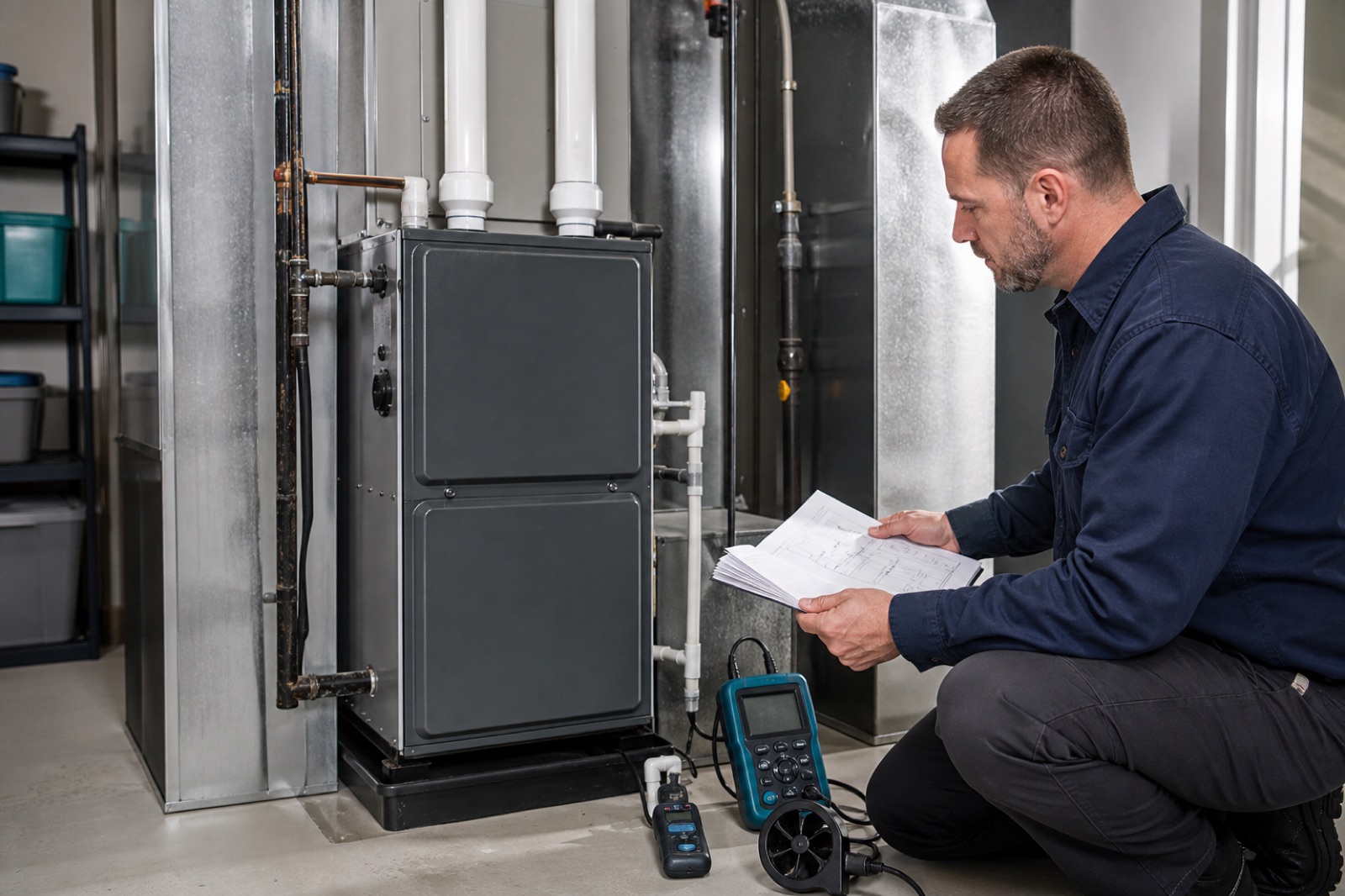
Before final payment, collect the permit and inspection record, exact model and serial numbers, loop plan or as-built record, pressure-test and flushing documentation, commissioning results, controls settings, warranties and final invoice. DOE notes that site characteristics, intended use, regulations and permitting affect installation. These records let a future owner or technician distinguish the durable ground-loop asset from the replaceable indoor equipment and verify what was actually installed.
How this guide was produced
CoolCompare Editorial reviewed 4 linked evidence sources and separated source facts from homeowner checks, calculations and limitations. This page does not claim hands-on product testing, professional inspection or address-specific verification unless the article explicitly documents it.
Reviewed 30 August 2026. See the editorial policy, fact-checking standard and corrections process.
Sources and further reading
Questions or corrections? Contact the editorial team.