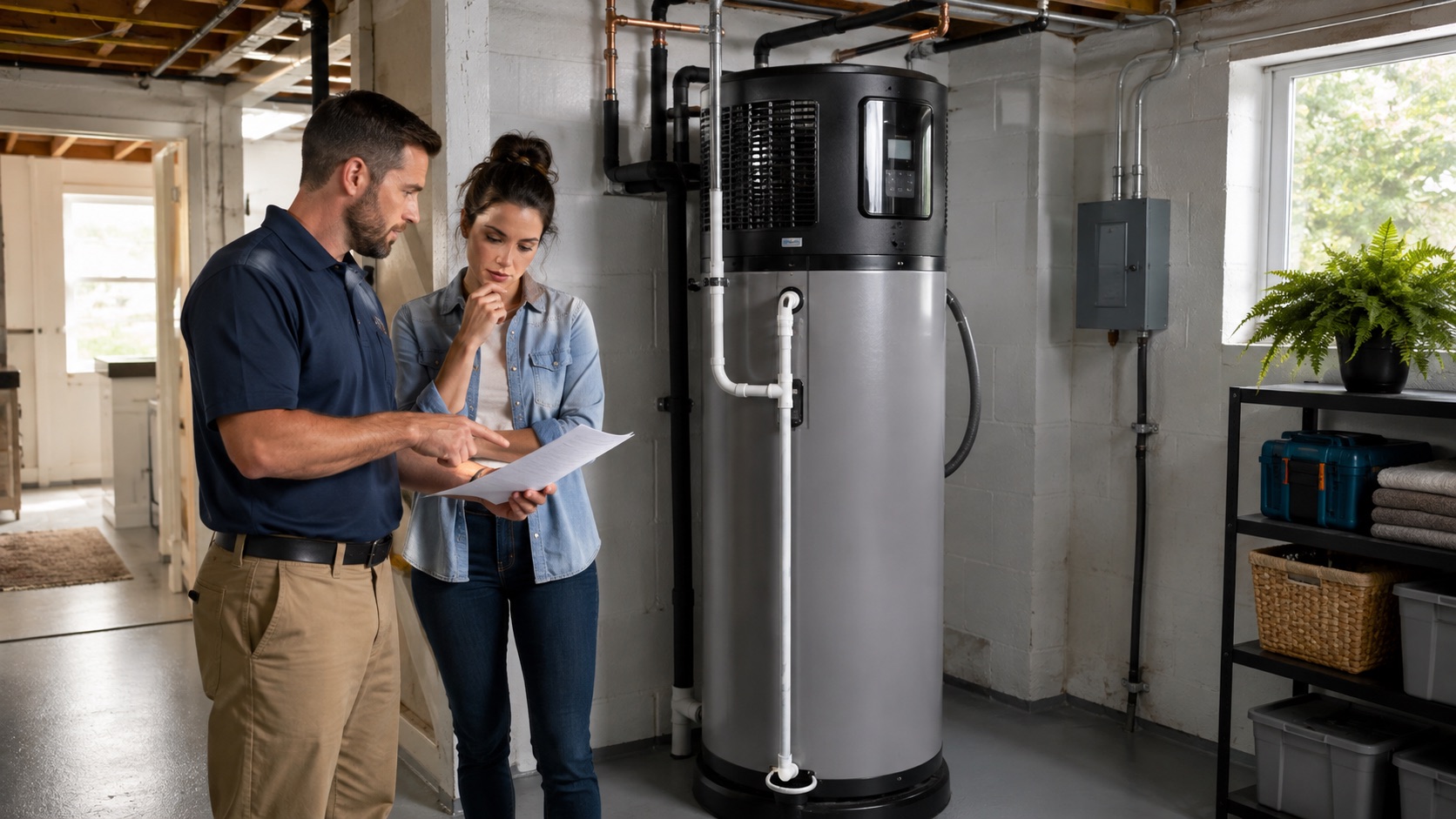
Name the party behind each promise
Manufacturer parts coverage, a special component warranty, contractor labor coverage and a separately sold service contract are different commitments. Record the legal provider, duration, covered items, exclusions, claim process and any cost the homeowner must pay for diagnosis, labor, shipping, refrigerant or access.
Do not rely on phrases such as ten-year warranty without the actual certificate. Confirm whether coverage changes for unregistered equipment, a subsequent homeowner, rental use or installation outside specified requirements. The written terms control; a salesperson’s verbal promise should be added to the contract.
Complete and document registration
Identify who registers the equipment, the deadline and the exact indoor and outdoor model and serial numbers submitted. Keep the confirmation, purchase and installation dates, invoice, installer information and the version of the warranty terms that applied when the system was installed.
Registration is not the same as proof of correct installation, and a warranty does not replace commissioning. Store the matched-system evidence, permit, startup measurements and maintenance instructions with the registration so a future claim or ownership transfer has a complete factual record.
Read maintenance and claim conditions
Ask what maintenance records are required, who may perform service, whether travel or after-hours work is excluded and how replacement parts are authorized. FTC consumer guidance notes that warranties and service contracts differ and recommends keeping the written warranty and purchase records.
Compare the expected value of optional labor or service coverage with its price, overlap, cancellation terms and provider stability without assuming every failure will be covered. If a claim arises, report it within the stated period, keep dated communications and use the manufacturer or seller’s written escalation route.
Compare transfer value and uncovered costs
Before treating coverage as a resale benefit, check whether it transfers, whether a deadline or fee applies and whether reduced terms follow the next owner. Record the official transfer process with the system documents. A transferable parts warranty can still leave diagnosis, labor, refrigerant, shipping and access charges with the homeowner.
Ask the contractor to price labor coverage separately from routine maintenance and from a third-party service contract. Compare provider, claim authorization, deductible, cancellation and overlap. The most useful warranty comparison shows who pays each likely cost and what evidence is required; it does not convert a written limitation into a broad promise.
How this guide was produced
CoolCompare Editorial reviewed 3 linked evidence sources and separated source facts from homeowner checks, calculations and limitations. This page does not claim hands-on product testing, professional inspection or address-specific verification unless the article explicitly documents it.
Reviewed 19 August 2026. See the editorial policy, fact-checking standard and corrections process.
Sources and further reading
Questions or corrections? Contact the editorial team.